when we got back from our quick tour through austria, a special event was already coming up: “almkirchtag” in the museum of tyrolean farms.
almkirchtag is a tyrolean (austrian?) traditional festivity which takes place once a year in an “alm” (which, in this case, means an alpine restaurant rather than a mountain pasture).
in the museum, however, it’s the time when the old buildings are filled with life, and real tyrolean traditions are revived and displayed in this setting: tyrolean music and song, tyrolean delicacies and specialties, handiwork etc.
Archive for the ‘photo’ Category
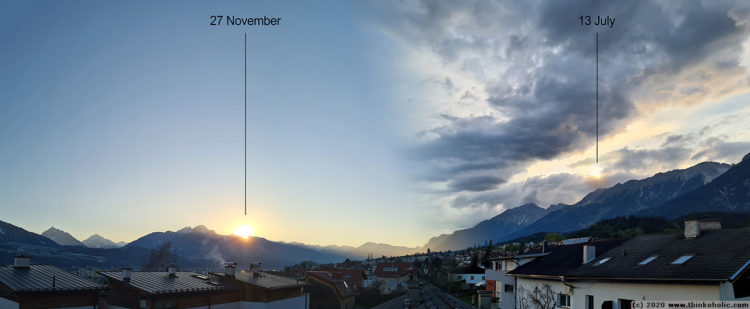
here’s a panorama from last sunday:
it was taken during the dress rehearsal (the bass was on tacet), a few hours before we performed j. haydn’s theresia mass with the wilten boys’ choir (wiltener sängerknaben) and innstrumenti orchestra.
an ingenious piece of music!
a week ago, i drove past a cornfield with so much poppy in it, it could have easily been considered an opium field with a little corn.
it was so beautiful, i got off the bike and spent the next 15 minutes trying to capture the scene.
just now, while uploading, i tried to remember where exactly that field was. i ended up using google earth to compare the lanscape and mountains, and retraced the location in no time: the area just east of volders, austria.
i took this pictures just a few hours ago.
the days are getting longer. :)
on my first outdoor bike training unit this year, my mountain route featured an unexpected obstacle: an avalanche that buried about 30 meters of the forest track with several meters high of snow. turns out walking through a snowfield with ordinary sneakers and a bike is not as easy as it sounds.
the following day, i brought my camera and tripod. :)
this animation was done as a request. a friend needed such a file for her presentation, but couldn’t find one on the internets…
venus flytraps belong to the interesting family of droseraceae, which consists of carnivorous plants.
in order to attract prey, the traps are usually of a reddish color and contain nectar producing glands.
as soon as an insect lands on the traps and stimulates a one of the trigger hairs, the lobes are closed. trying to escape, the trapped insect further stimulates the inner surface of the lobes, and the plant starts to produce digestive enzymes.
in their wild habitats (bogs, wet svannahs), venus flytraps and other carnivorous plants find hardly any nutrients (especially nitrogen), so they have evolved to actually catch and digest insects.
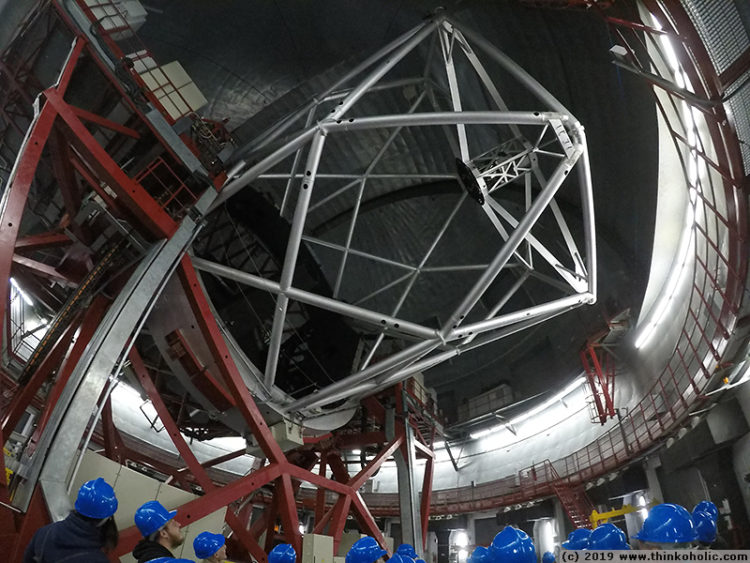
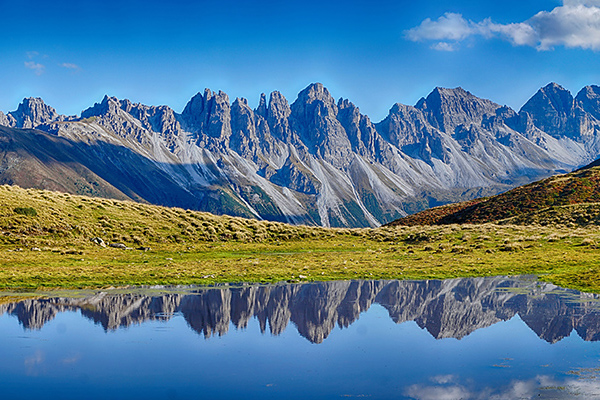
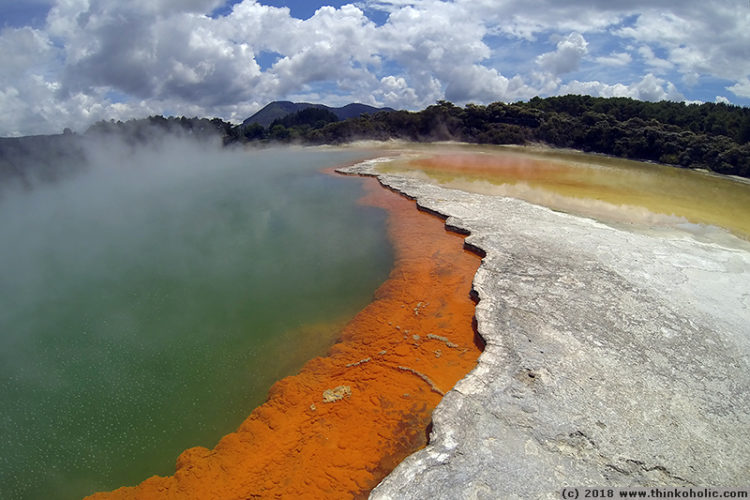
here’s a batch of photos dating from last september to mid-april.
it’s a collection of snapshots that remind me how important it is to have a great family and awesome friends. :)